
Insight 11/24/2026Series: Biocompatibility Test Failures

When Biocompatibility Tests Fail: How to Find the Root Cause

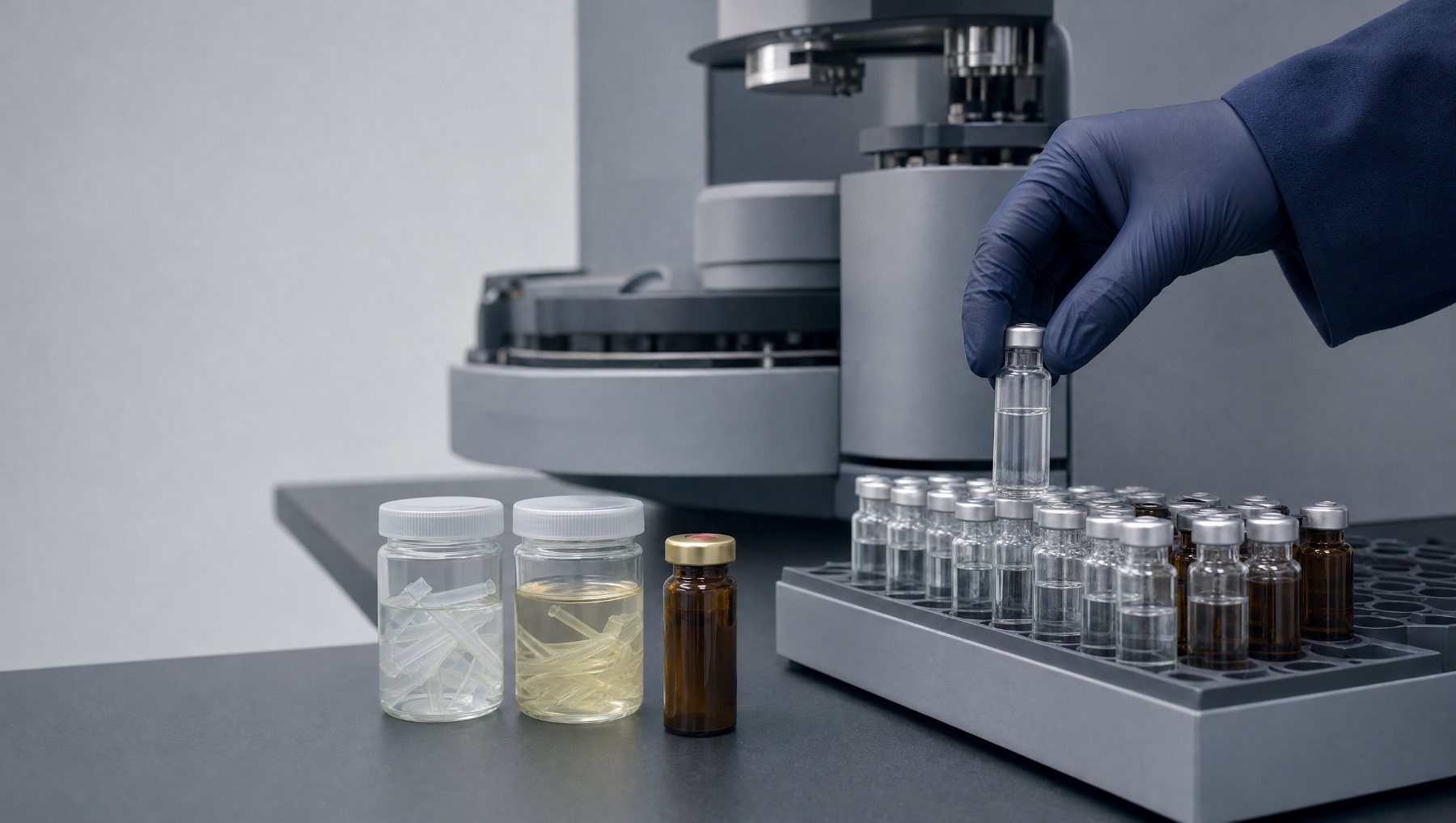
When a biocompatibility test fails unexpectedly, the lab is rarely to blame. Here is how to find the root cause, and why chemistry is the one specific tool. If you manage biocompatibility testing for any length of time, you will very likely face an unexpected failure, usually on the project that can least afford it. This walks through what the results and the lab’s extract observations can still tell you, which interim tests are worth the time, and why extractables testing under ISO 10993-18 is usually the fastest route to a definitive answer.

Read more

Insight 11/12/2026Series: Biocompatibility Test Failures

Cytotoxicity Testing: The Test Most Likely to Fail

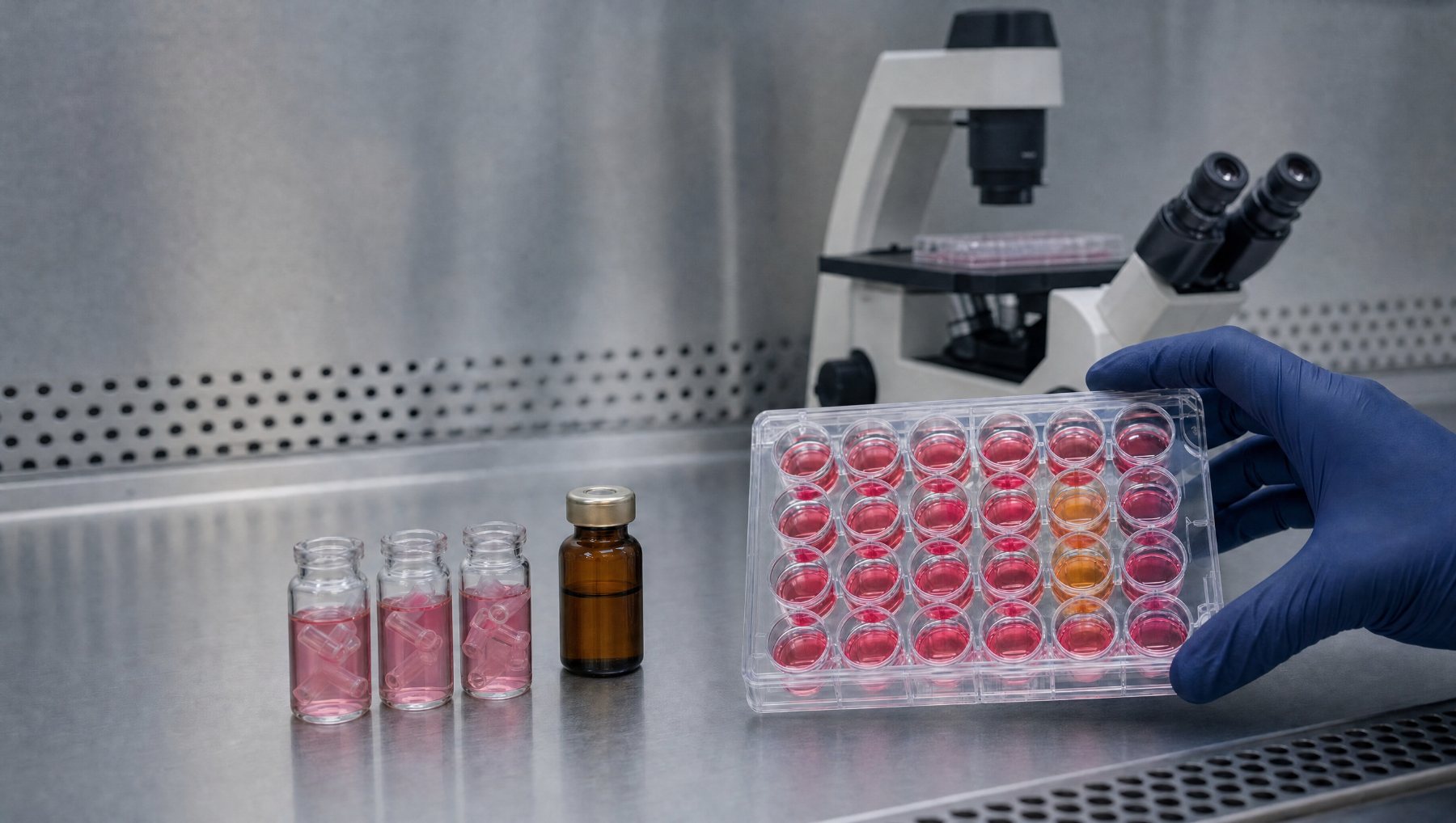
Cytotoxicity testing under ISO 10993-5 is the biocompatibility test you are most likely to fail, and its failures are the hardest to interpret. In all the testing we have supported, no test has a penchant for causing headaches quite like it. Here is how the test actually exposes and scores the cells, why its simplicity makes it so sensitive, what a failure does and does not tell you, and the three sampling principles that make any result, pass or fail, one you can trust.

Read more
Insight 10/28/2026

Biocompatibility Is an Evaluation, Not a Test (Until Someone Asks for Data)

ISO 10993-1:2025 frames biocompatibility as an evaluation, not a testing exercise — yet in roughly nine of every ten programs we see, FDA or a Notified Body still wants test data. A well-built Biological Evaluation Plan establishes how close a device sits to the conditions under which testing can be avoided or minimized, and where the data will still be needed and provides a wealth of information supporting the safety of a device.

Read more