
Insight 11/24/2026Series: Biocompatibility Test Failures

When Biocompatibility Tests Fail: How to Find the Root Cause

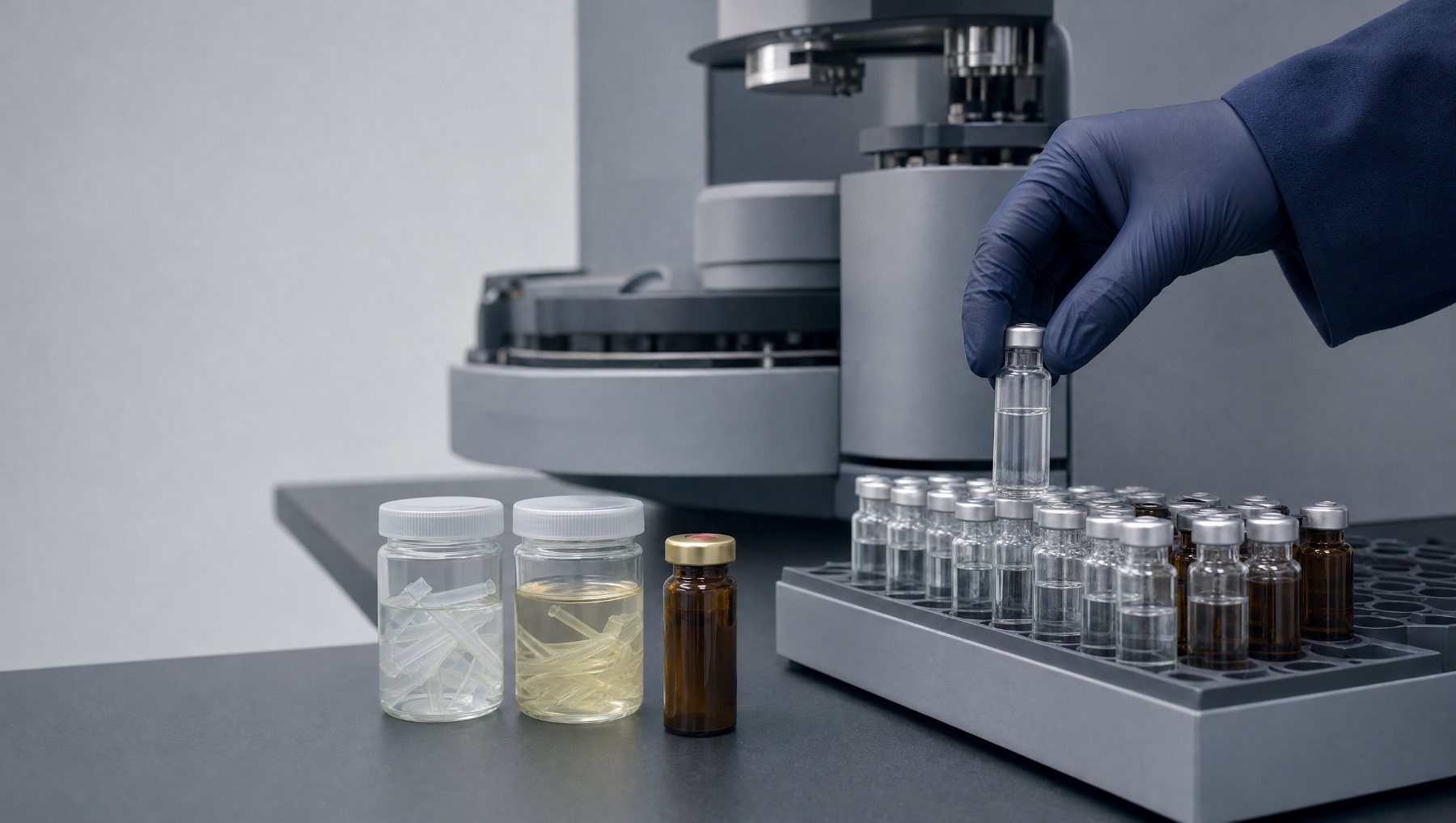
When a biocompatibility test fails unexpectedly, the lab is rarely to blame. Here is how to find the root cause, and why chemistry is the one specific tool. If you manage biocompatibility testing for any length of time, you will very likely face an unexpected failure, usually on the project that can least afford it. This walks through what the results and the lab’s extract observations can still tell you, which interim tests are worth the time, and why extractables testing under ISO 10993-18 is usually the fastest route to a definitive answer.

Read more

Regulatory update 11/21/2026

Safety alert: two hydrophilic-coating removals in one month put coating integrity in the evaluation

Arrow International (10 November) and Heraeus Medical Components (20 November) removed hydrophilic-coated guidewires after coatings swelled unevenly in saline and shed particles. Neither was an extractables finding.

Read more
Regulatory update 11/21/2026

FDA recognizes ISO 10993-1:2025; 2018 declarations accepted until 1 July 2029

Recognition List 066 replaced 2-258 (2018 edition) with 2-313 (2025 edition, partial). The 2018 edition stays acceptable until 1 July 2029, and FDA's September 2023 guidance is unchanged.

Read more
Regulatory update 11/21/2026

What FDA excludes from ISO 10993-18, and why the GC uncertainty factor of 2 is out

FDA's recognition 2-298 of ISO 10993-18:2020 with Amd 1:2022 excludes Table D.3 and the Annex E text that offers an uncertainty factor of 2 for GC screening. Each method needs its own justified factor.

Read more
Regulatory update 11/21/2026

EN ISO 10993-6:2026 and EN ISO 10993-7:2026 are MDR-harmonised

Decision (EU) 2026/2479 lists the 2026 editions of Parts 6 and 7 as harmonised under the MDR for the first time. FDA still recognizes the 2016 and 2008 editions.

Read more
Insight 11/12/2026Series: Biocompatibility Test Failures

Cytotoxicity Testing: The Test Most Likely to Fail

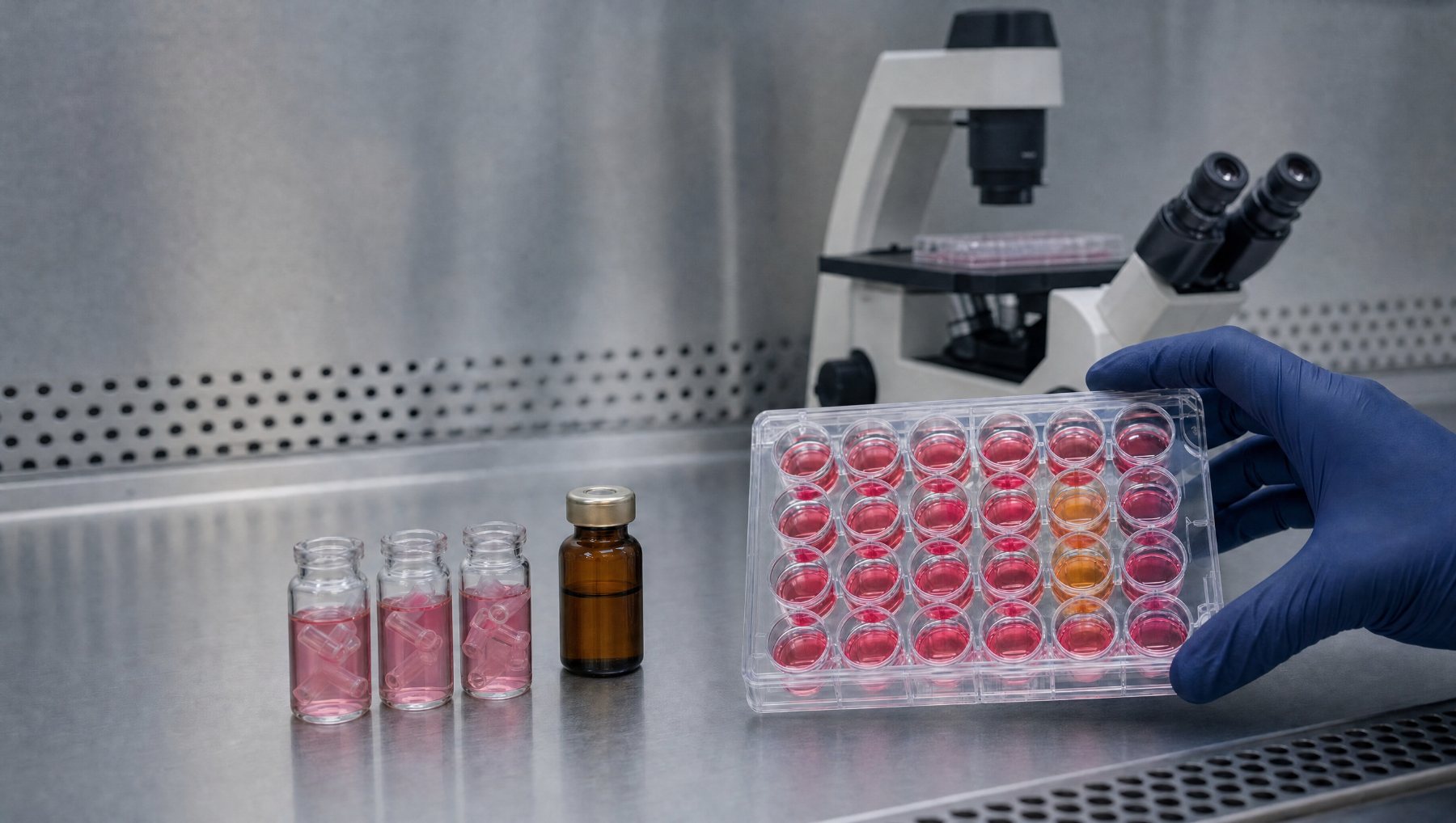
Cytotoxicity testing under ISO 10993-5 is the biocompatibility test you are most likely to fail, and its failures are the hardest to interpret. In all the testing we have supported, no test has a penchant for causing headaches quite like it. Here is how the test actually exposes and scores the cells, why its simplicity makes it so sensitive, what a failure does and does not tell you, and the three sampling principles that make any result, pass or fail, one you can trust.

Read more
Insight 10/28/2026

Biocompatibility Is an Evaluation, Not a Test (Until Someone Asks for Data)

ISO 10993-1:2025 frames biocompatibility as an evaluation, not a testing exercise — yet in roughly nine of every ten programs we see, FDA or a Notified Body still wants test data. A well-built Biological Evaluation Plan establishes how close a device sits to the conditions under which testing can be avoided or minimized, and where the data will still be needed and provides a wealth of information supporting the safety of a device.

Read more
Blog 5/15/2026

The Concierge is In

Far from the neglected hotel desk often bypassed for TripAdvisor, Groenakker reimagines “concierge” as its Latin root conservus—a co-servant partnering with clients to navigate the complexities of medical device compliance. With origins tracing from a Roman “fellow servant” to a French “caretaker,” the term reflects our commitment to tailored advisory services and meticulous test subcontracting, ensuring efficiency, risk mitigation, and success. At Groenakker, concierge-level means expertise with skin in the game—delivering not just guidance, but a collaborative journey from concept to market.

Read more